
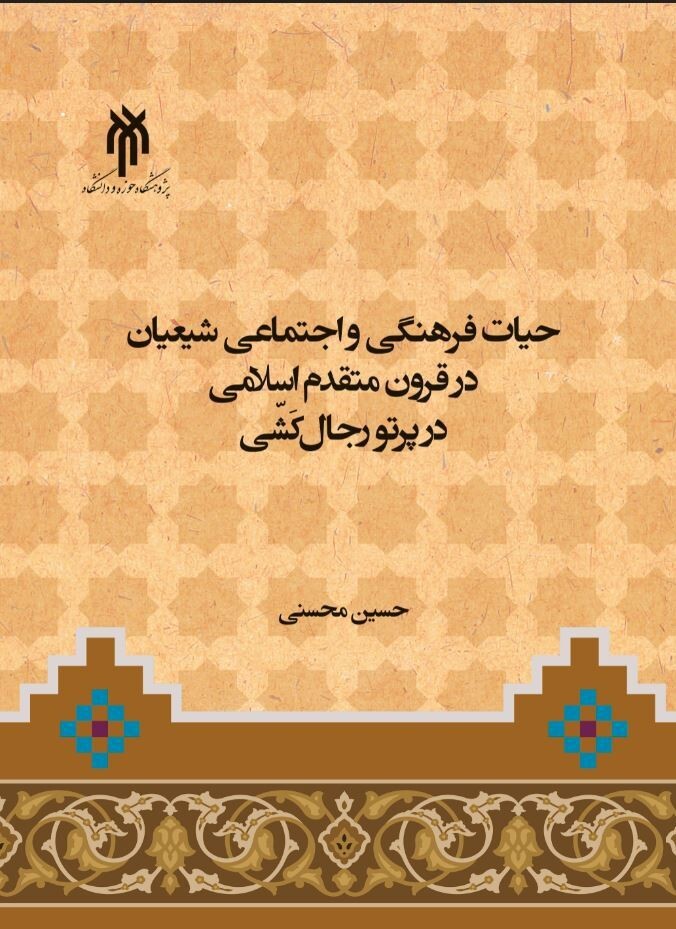
حیات فرهنگی و اجتماعی شیعیان در قرون متقدم اسلامی در پرتو رجال کشی
The Cultural and Social History of the Shi`a in the Early Islamic Centuries A Study Based on Rijāl al-Kashshī
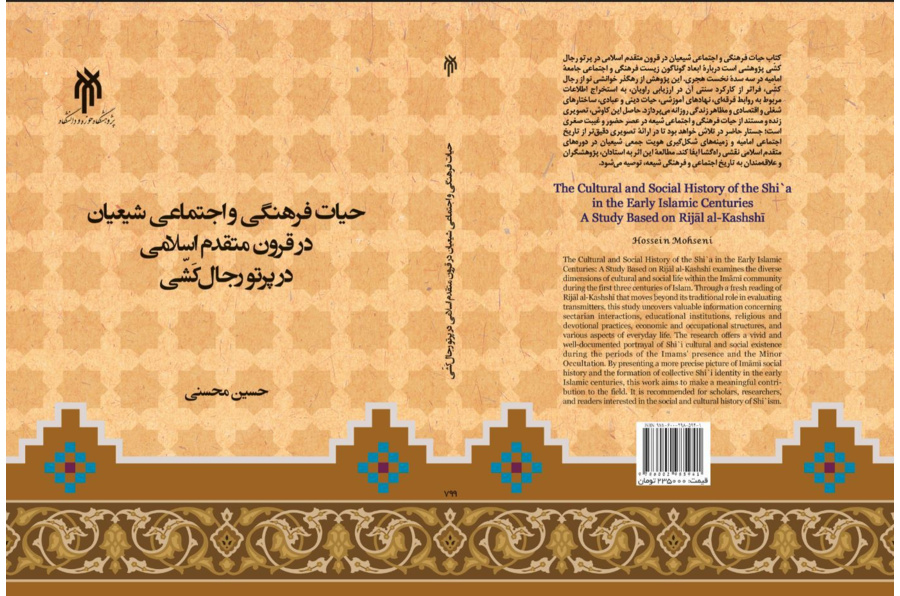
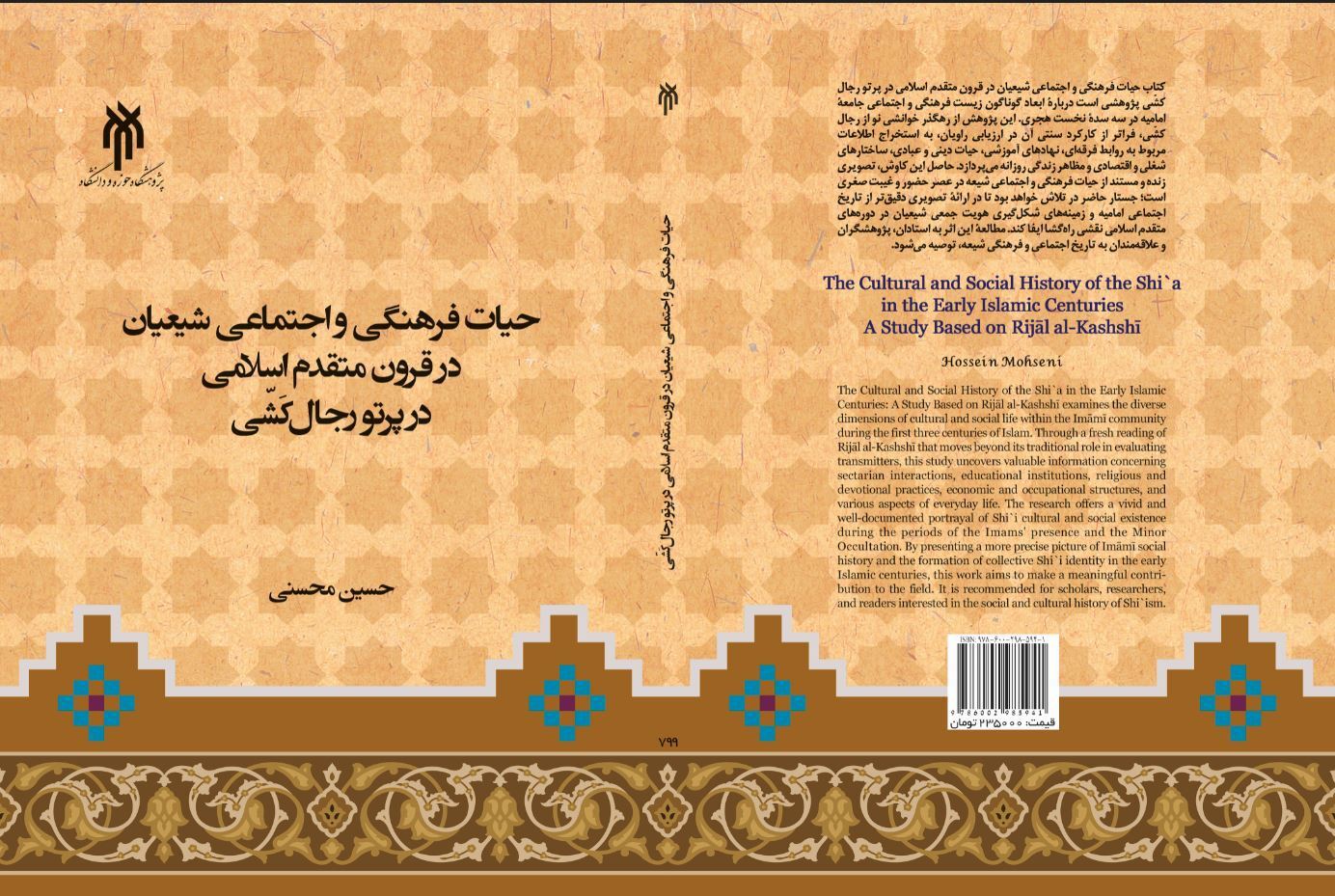
کتاب حیات فرهنگی و اجتماعی شیعیان در قرون متقدم اسلامی در پرتو رجال کشّی پژوهشی است دربارۀ ابعاد گوناگون زیست فرهنگی و اجتماعی جامعۀ امامیه در سه سدۀ نخست هجری. این پژوهش از رهگذر خوانشی نو از رجال کشّی، فراتر از کارکرد سنتی آن در ارزیابی راویان، به استخراج اطلاعات مربوط به روابط فرقهای، نهادهای آموزشی، حیات دینی و عبادی، ساختارهای شغلی و اقتصادی و مظاهر زندگی روزانه میپردازد. حاصل این کاوش، تصویری زنده و مستند از حیات فرهنگی و اجتماعی شیعه در عصر حضور و غیبت صغری است؛ جستار حاضر در تلاش خواهد بود تا در ارائۀ تصویری دقیقتر از تاریخ اجتماعی امامیه و زمینههای شکلگیری هویت جمعی شیعیان در دورههای متقدم اسلامی نقشی راهگشا ایفا کند. مطالعۀ این اثر به استادان، پژوهشگران و علاقهمندان به تاریخ اجتماعی و فرهنگی شیعه، توصیه میشود.
The Cultural and Social History of the Shi`a
in the Early Islamic Centuries
A Study Based on Rijāl al-Kashshī
Hossein Mohseni
The Cultural and Social History of the Shi`a in the Early Islamic Centuries: A Study Based on Rijāl al-Kashshī examines the diverse dimensions of cultural and social life within the Imāmī community during the first three centuries of Islam. Through a fresh reading of Rijāl al-Kashshī that moves beyond its traditional role in evaluating transmitters, this study uncovers valuable information concerning sectarian interactions, educational institutions, religious and devotional practices, economic and occupational structures, and various aspects of everyday life. The research offers a vivid and well-documented portrayal of Shi`i cultural and social existence during the periods of the Imams’ presence and the Minor Occultation. By presenting a more precise picture of Imāmī social history and the formation of collective Shi`i identity in the early Islamic centuries, this work aims to make a meaningful contribution to the field. It is recommended for scholars, researchers, and readers interested in the social and cultural history of Shi`ism.
 سروش
سروش