
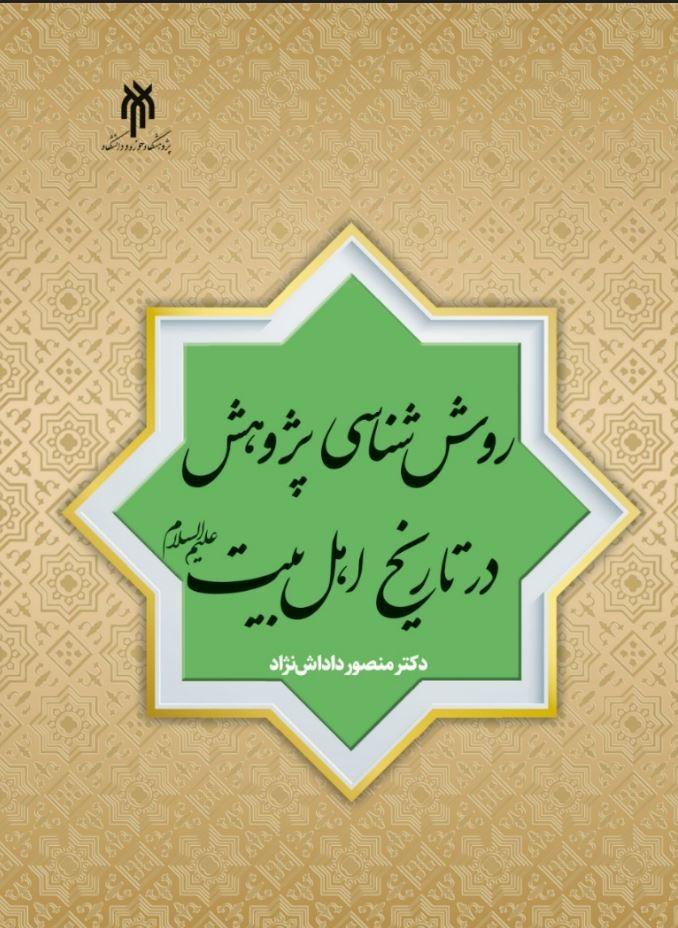
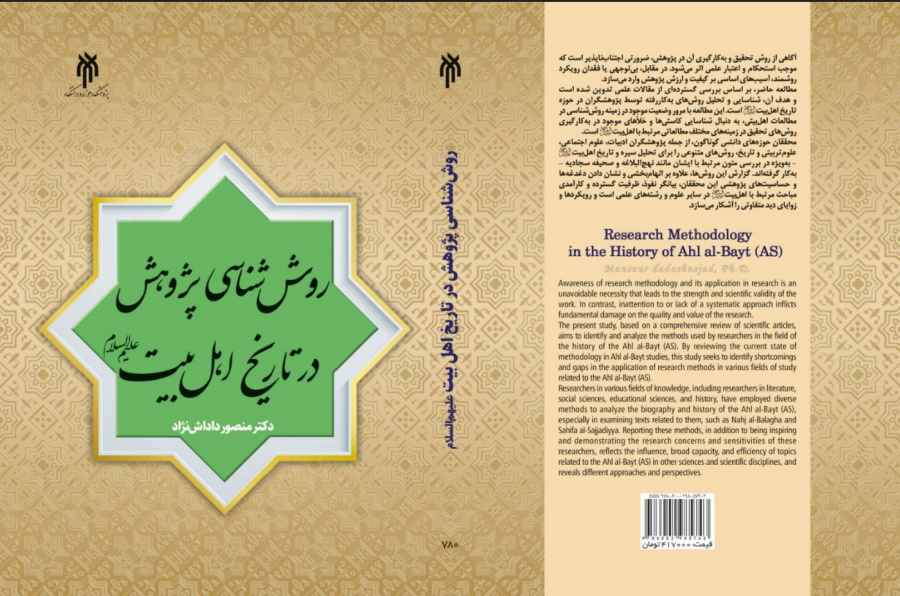
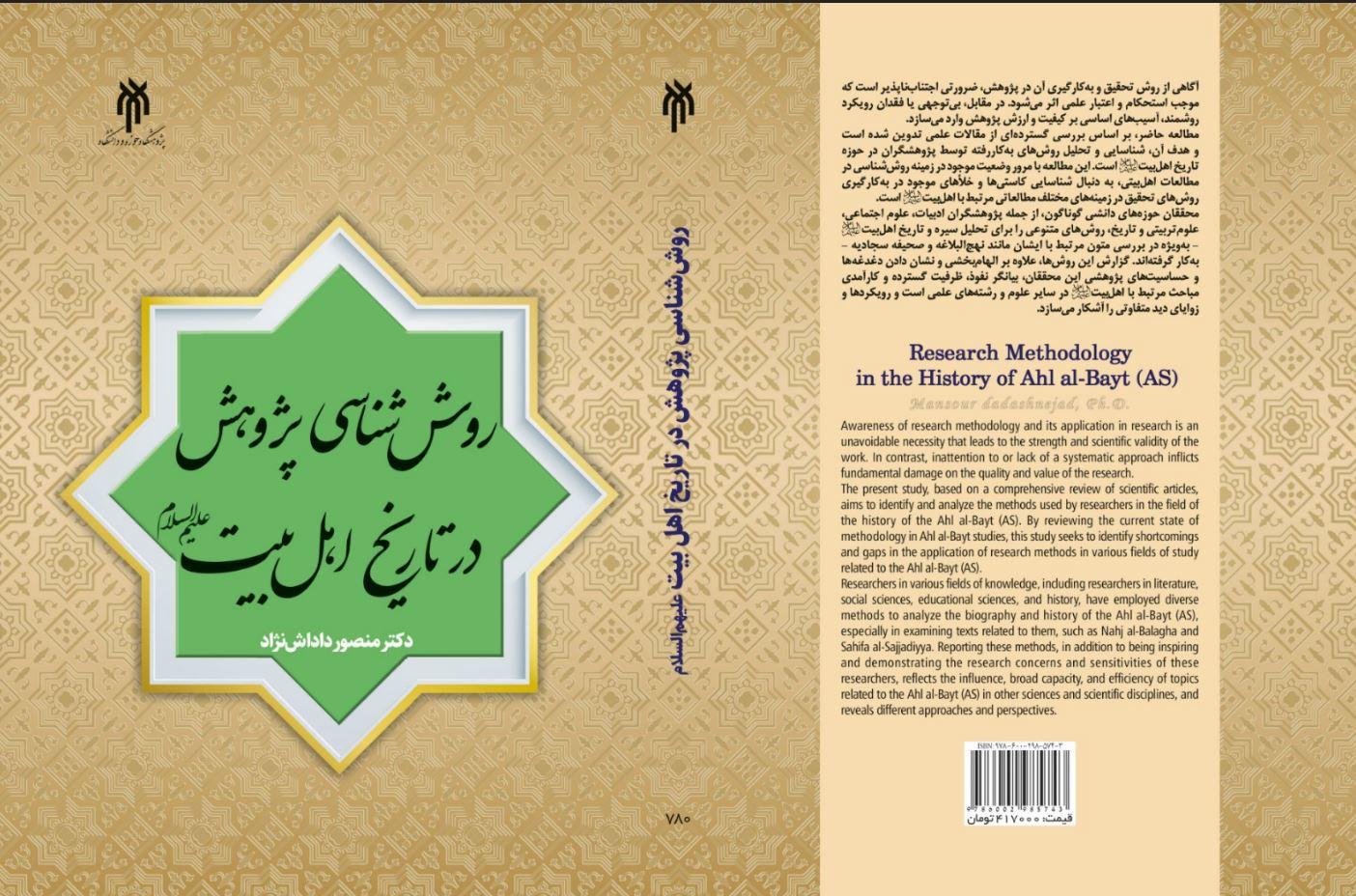
روششناسی پژوهش در تاریخ اهلبیت(ع)
Research Methodology in the History of Ahl al-Bayt (AS)
آگاهی از روش تحقیق و بهکارگیری آن در پژوهش، ضرورتی اجتنابناپذیر است که موجب استحکام و اعتبار علمی اثر میشود. در مقابل، بیتوجهی یا فقدان رویکرد روشمند، آسیبهای اساسی بر کیفیت و ارزش پژوهش وارد میسازد.
مطالعه حاضر، بر اساس بررسی گستردهای از مقالات علمی تدوین شده است و هدف آن، شناسایی و تحلیل روشهای بهکاررفته توسط پژوهشگران در حوزه تاریخ اهلبیت(ع) است. این مطالعه با مرور وضعیت موجود در زمینه روششناسی در مطالعات اهلبیتی، به دنبال شناسایی کاستیها و خلأهای موجود در بهکارگیری روشهای تحقیق در زمینههای مختلف مطالعاتی مرتبط با اهلبیت(ع) است.
محققان حوزههای دانشی گوناگون، از جمله پژوهشگران ادبیات، علوم اجتماعی، علومتربیتی و تاریخ، روشهای متنوعی را برای تحلیل سیره و تاریخ اهلبیتb - بهویژه در بررسی متون مرتبط با ایشان مانند نهجالبلاغه و صحیفه سجادیه - بهکار گرفتهاند. گزارش این روشها، علاوه بر الهامبخشی و نشان دادن دغدغهها و حساسیتهای پژوهشی این محققان، بیانگر نفوذ، ظرفیت گسترده و کارآمدی مباحث مرتبط با اهلبیتb در سایر علوم و رشتههای علمی است و رویکردها و زوایای دید متفاوتی را آشکار میسازد.
Research Methodology
in the History of Ahl al-Bayt (AS)
Mansour dadashnejad, Ph.D.
Awareness of research methodology and its application in research is an unavoidable necessity that leads to the strength and scientific validity of the work. In contrast, inattention to or lack of a systematic approach inflicts fundamental damage on the quality and value of the research.
The present study, based on a comprehensive review of scientific articles, aims to identify and analyze the methods used by researchers in the field of the history of the Ahl al-Bayt (AS). By reviewing the current state of methodology in Ahl al-Bayt studies, this study seeks to identify shortcomings and gaps in the application of research methods in various fields of study related to the Ahl al-Bayt (AS).
Researchers in various fields of knowledge, including researchers in literature, social sciences, educational sciences, and history, have employed diverse methods to analyze the biography and history of the Ahl al-Bayt (AS), especially in examining texts related to them, such as Nahj al-Balagha and Sahifa al-Sajjadiyya. Reporting these methods, in addition to being inspiring and demonstrating the research concerns and sensitivities of these researchers, reflects the influence, broad capacity, and efficiency of topics related to the Ahl al-Bayt (AS) in other sciences and scientific disciplines, and reveals different approaches and perspectives.
 سروش
سروش