
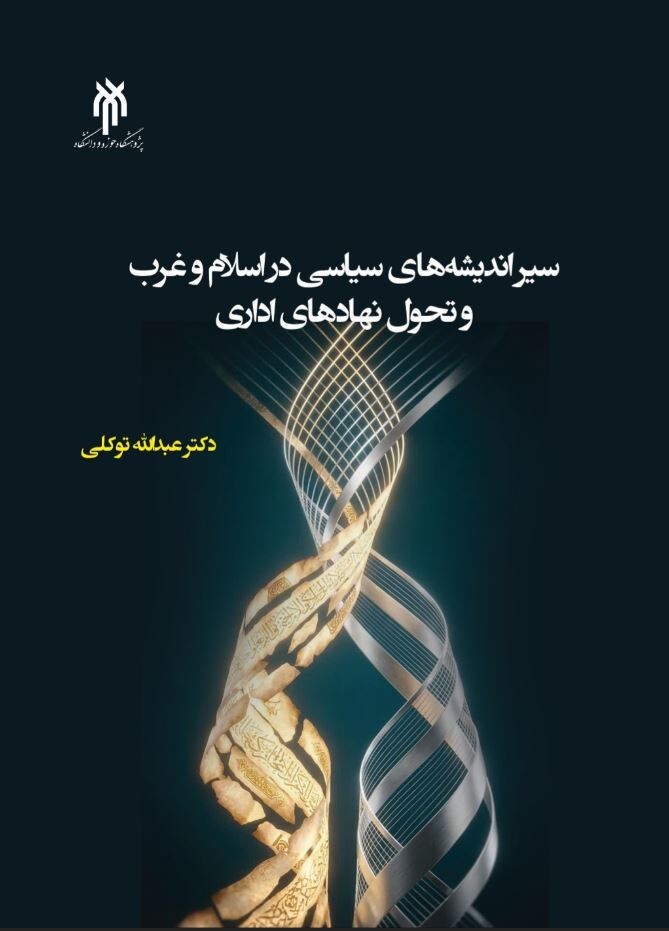
سیر اندیشههای سیاسی در اسلام و غرب و تحول نهادهای اداری
The Evolution of Political Thought in Islam and the West and the Transformation of Administrative Institutions
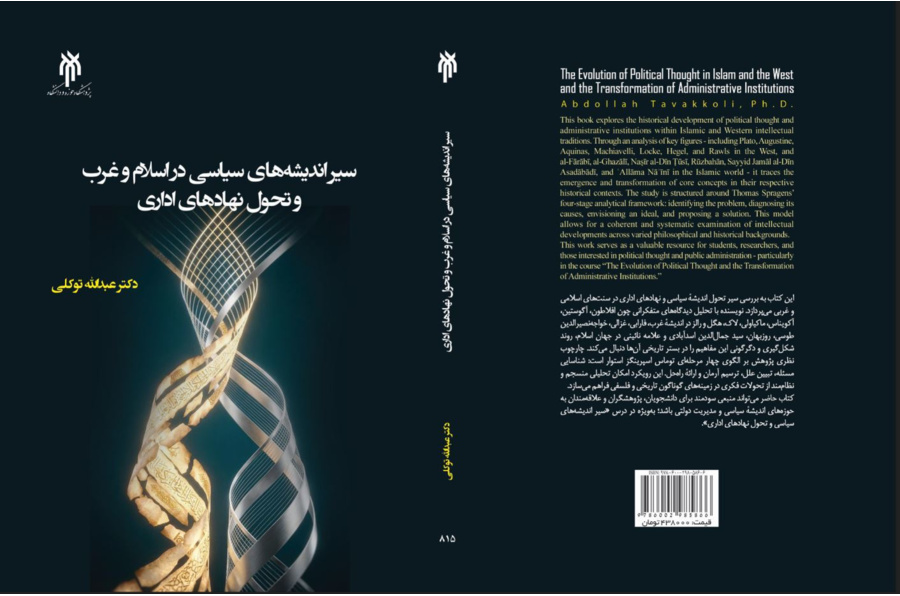
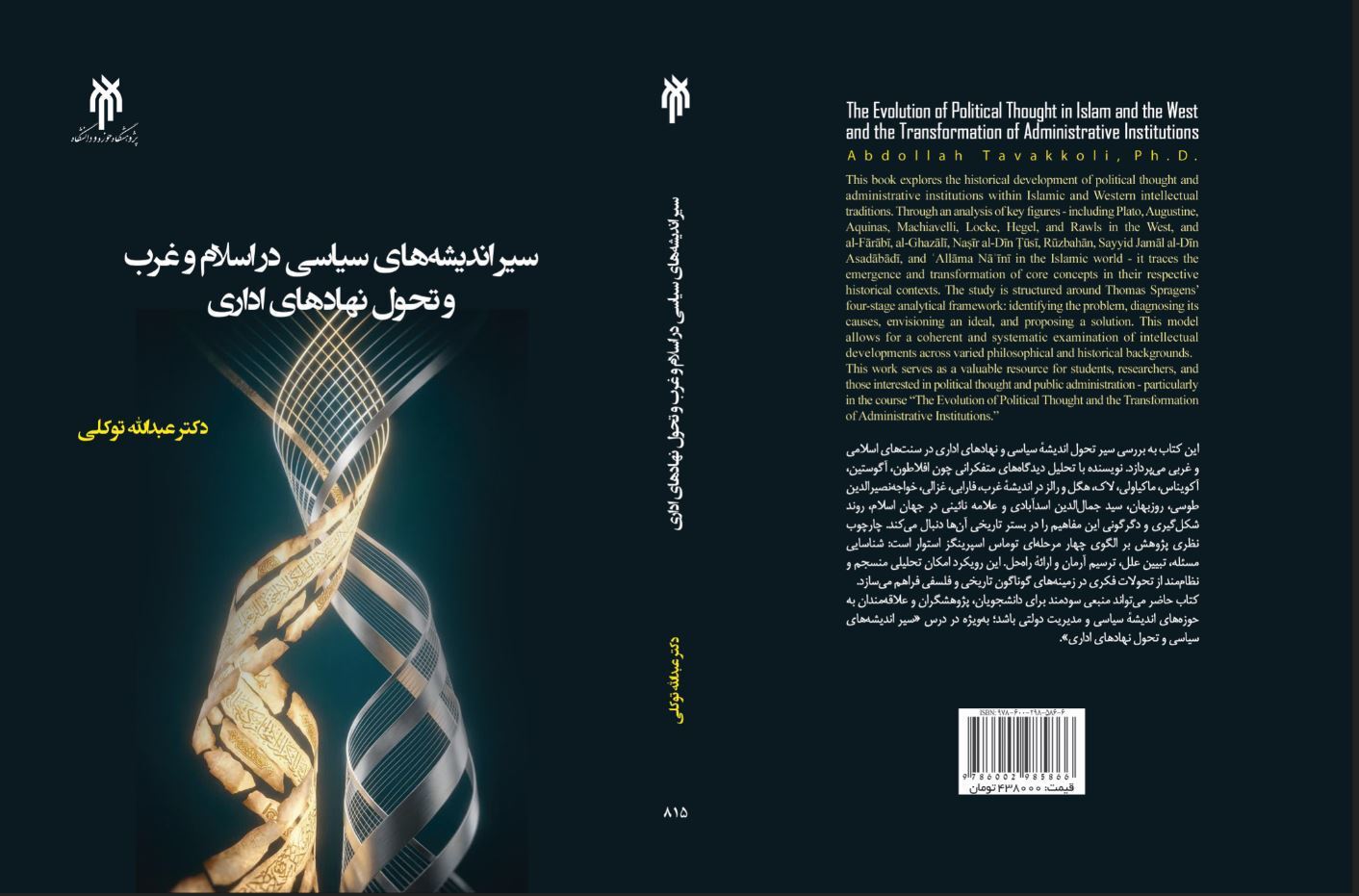
این کتاب به بررسی سیر تحول اندیشهٔ سیاسی و نهادهای اداری در سنتهای اسلامی و غربی میپردازد. نویسنده با تحلیل دیدگاههای متفکرانی چون افلاطون، آگوستین، آکویناس، ماکیاولی، لاک، هگل و رالز در اندیشهٔ غرب، فارابی، غزالی، خواجهنصیرالدین طوسی، روزبهان، سید جمالالدین اسدآبادی و علامه نائینی در جهان اسلام، روند شکلگیری و دگرگونی این مفاهیم را در بستر تاریخی آنها دنبال میکند. چارچوب نظری پژوهش بر الگوی چهار مرحلهای توماس اسپرینگز استوار است: شناسایی مسئله، تبیین علل، ترسیم آرمان و ارائهٔ راهحل. این رویکرد امکان تحلیلی منسجم و نظاممند از تحولات فکری در زمینههای گوناگون تاریخی و فلسفی فراهم میسازد.
کتاب حاضر میتواند منبعی سودمند برای دانشجویان، پژوهشگران و علاقهمندان به حوزههای اندیشهٔ سیاسی و مدیریت دولتی باشد؛ بهویژه در درس «سیر اندیشههای سیاسی و تحول نهادهای اداری».
The Evolution of Political Thought in Islam and the West
and the Transformation of Administrative Institutions
Abdollah Tavakkoli, Ph.D.
This book explores the historical development of political thought and administrative institutions within Islamic and Western intellectual traditions. Through an analysis of key figures - including Plato, Augustine, Aquinas, Machiavelli, Locke, Hegel, and Rawls in the West, and al-Fārābī, al-Ghazālī, Naṣīr al-Dīn Ṭūsī, Rūzbahān, Sayyid Jamāl al-Dīn Asadābādī, and ʿAllāma Nāʾīnī in the Islamic world - it traces the emergence and transformation of core concepts in their respective historical contexts. The study is structured around Thomas Spragens’ four-stage analytical framework: identifying the problem, diagnosing its causes, envisioning an ideal, and proposing a solution. This model allows for a coherent and systematic examination of intellectual developments across varied philosophical and historical backgrounds.
This work serves as a valuable resource for students, researchers, and those interested in political thought and public administration - particularly in the course “The Evolution of Political Thought and the Transformation of Administrative Institutions.”
 سروش
سروش