
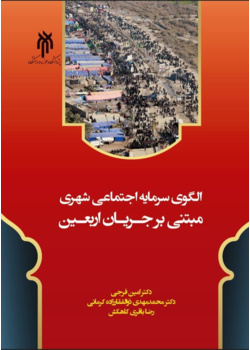
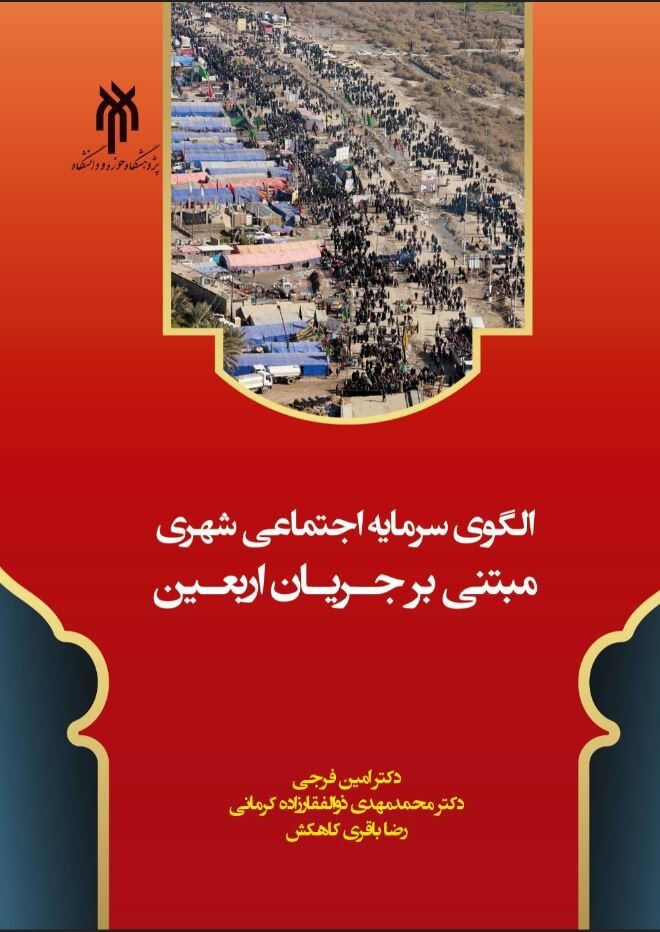
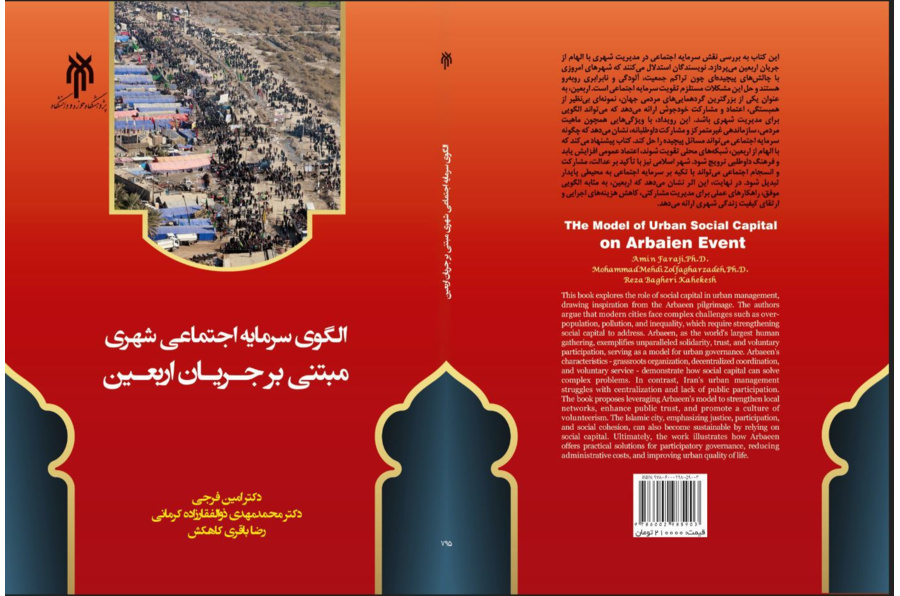
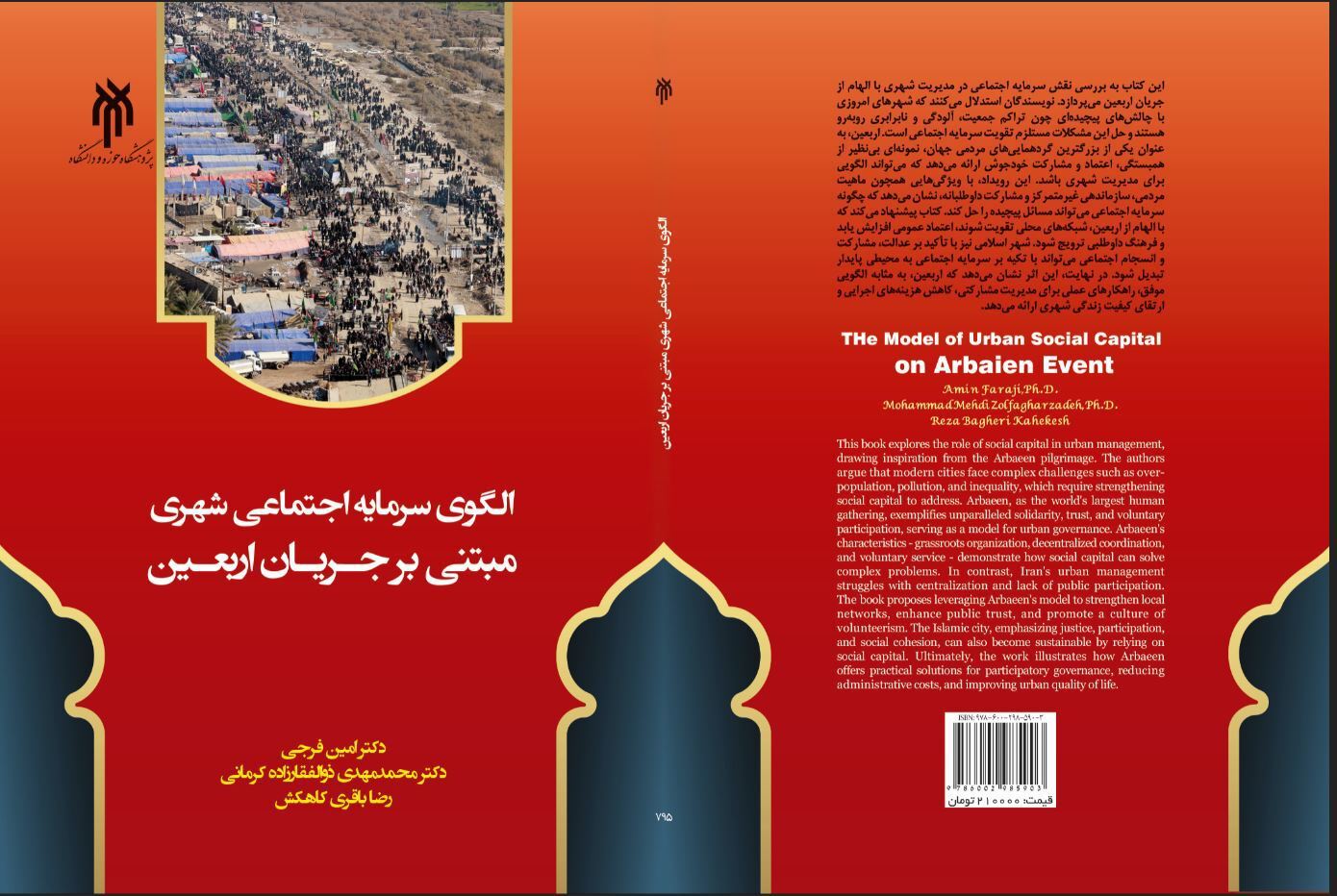
الگوی سرمایه اجتماعی شهری مبتنی بر جریان اربعین
THe Model of Urban Social Capital on Arbaien Event
این کتاب به بررسی نقش سرمایه اجتماعی در مدیریت شهری با الهام از جریان اربعین میپردازد. نویسندگان استدلال میکنند که شهرهای امروزی با چالشهای پیچیدهای چون تراکم جمعیت، آلودگی و نابرابری روبهرو هستند و حل این مشکلات مستلزم تقویت سرمایه اجتماعی است. اربعین، به عنوان یکی از بزرگترین گردهماییهای مردمی جهان، نمونهای بینظیر از همبستگی، اعتماد و مشارکت خودجوش ارائه میدهد که میتواند الگویی برای مدیریت شهری باشد. این رویداد، با ویژگیهایی همچون ماهیت مردمی، سازماندهی غیرمتمرکز و مشارکت داوطلبانه، نشان میدهد که چگونه سرمایه اجتماعی میتواند مسائل پیچیده را حل کند. کتاب پیشنهاد میکند که با الهام از اربعین، شبکههای محلی تقویت شوند، اعتماد عمومی افزایش یابد و فرهنگ داوطلبی ترویج شود. شهر اسلامی نیز با تأکید بر عدالت، مشارکت و انسجام اجتماعی میتواند با تکیه بر سرمایه اجتماعی به محیطی پایدار تبدیل شود. در نهایت، این اثر نشان میدهد که اربعین، به مثابه الگویی موفق، راهکارهای عملی برای مدیریت مشارکتی، کاهش هزینههای اجرایی و ارتقای کیفیت زندگی شهری ارائه میدهد.
THe Model of Urban Social Capital
on Arbaien Event
Amin Faraji,Ph.D.
Mohammad Mehdi Zolfagharzadeh, Ph.D.
Reza Bagheri Kahekesh
his book explores the role of social capital in urban management, drawing inspiration from the Arbaeen pilgrimage. The authors argue that modern cities face complex challenges such as overpopulation, pollution, and inequality, which require strengthening social capital to address. Arbaeen, as the world's largest human gathering, exemplifies unparalleled solidarity, trust, and voluntary participation, serving as a model for urban governance. Arbaeen's characteristics - grassroots organization, decentralized coordination, and voluntary service - demonstrate how social capital can solve complex problems. In contrast, Iran's urban management struggles with centralization and lack of public participation. The book proposes leveraging Arbaeen's model to strengthen local networks, enhance public trust, and promote a culture of volunteerism. The Islamic city, emphasizing justice, participation, and social cohesion, can also become sustainable by relying on social capital. Ultimately, the work illustrates how Arbaeen offers practical solutions for participatory governance, reducing administrative costs, and improving urban quality of life.
 سروش
سروش