
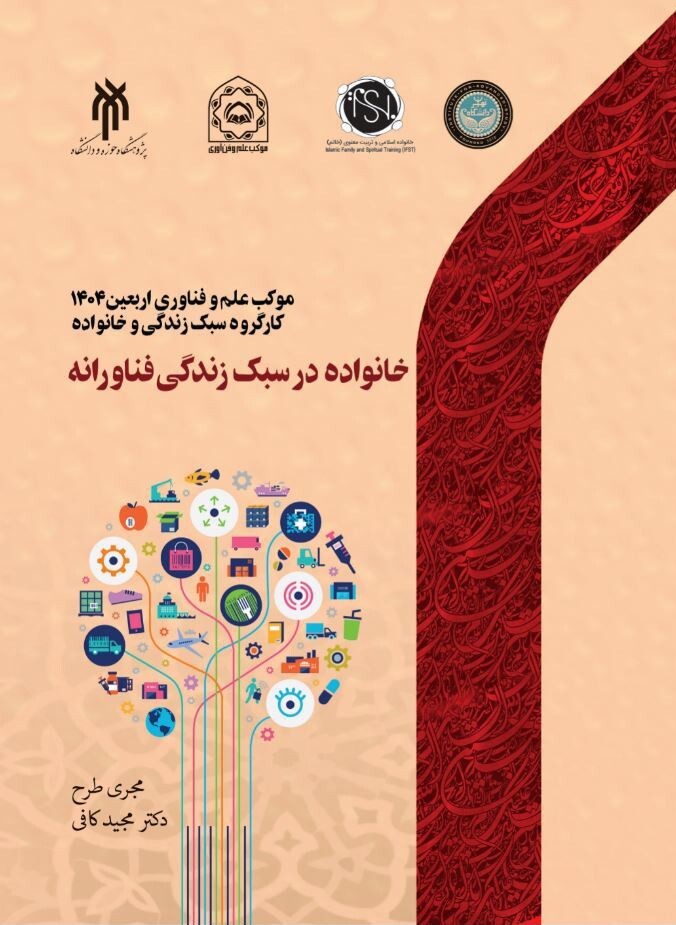
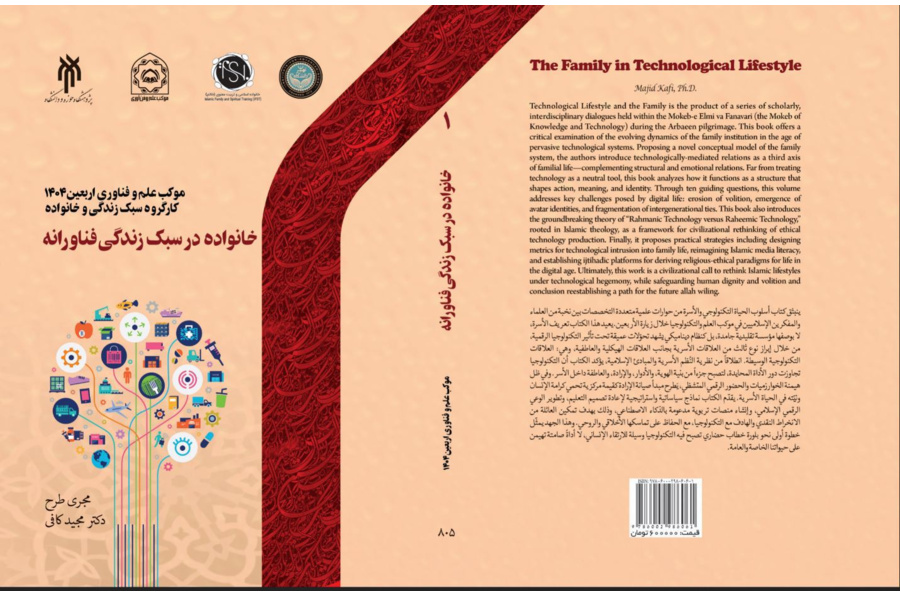
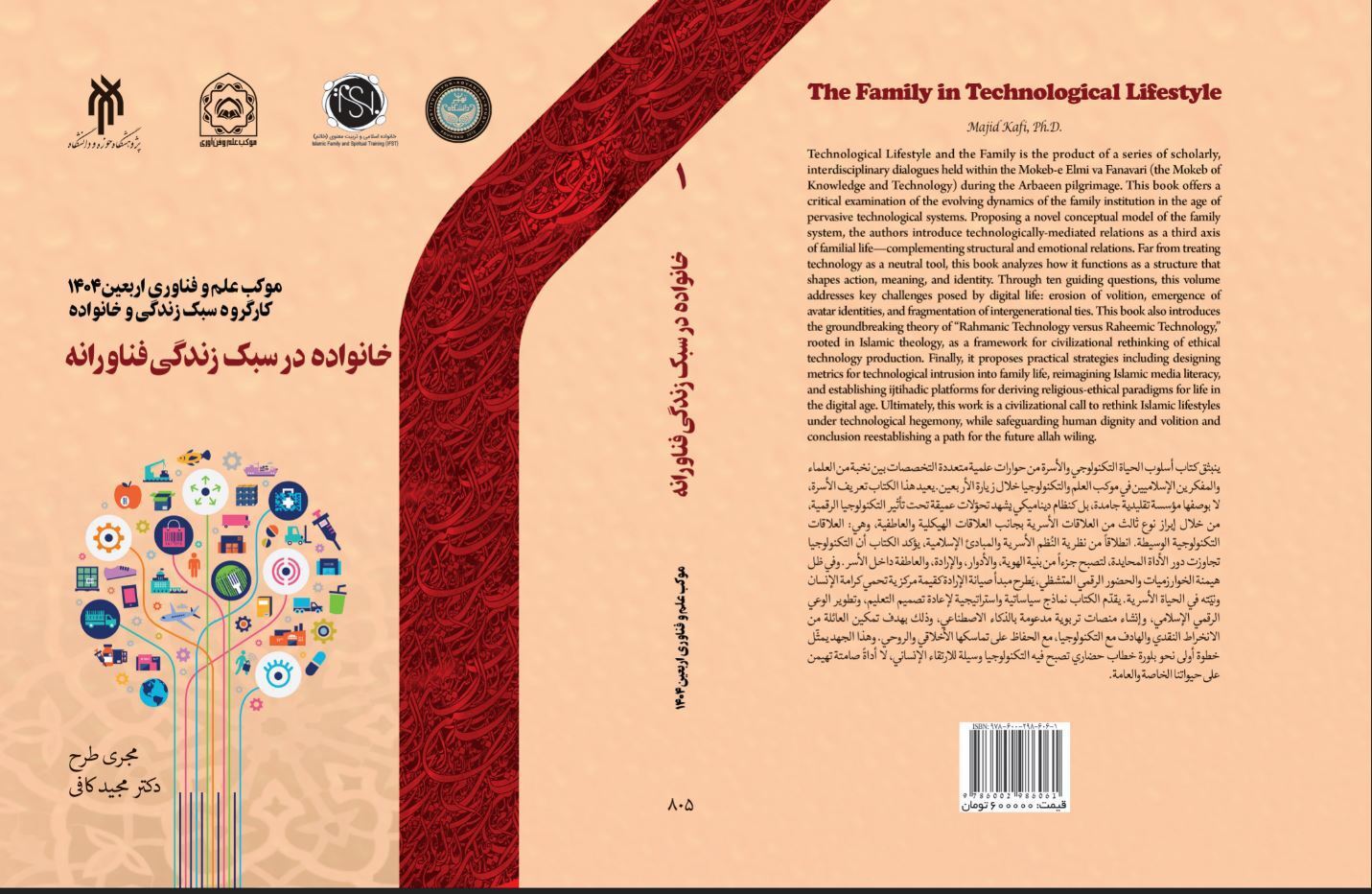
خانواده در سبک زندگی فناورانه
The Family in Technological Lifestyle
کتاب «سبک زندگی و خانواده فناورانه» حاصل هماندیشی میانرشتهای نخبگان حوزه و دانشگاه در موکب علم و فناوری اربعین است که بهدنبال فهمی نو از نسبت میان فناوری و نهاد خانواده در بستر سبک زندگی اسلامی شکل گرفت. در این اثر، خانواده نه صرفاً بهعنوان یک نهاد سنتی، بلکه بهمثابه سامانهای پویا و در حال بازتعریف معرفی میشود که تحت تأثیر فناوریهای نوین – از شبکههای اجتماعی تا هوش مصنوعی – دچار تحول در روابط ساختاری، عاطفی و نوع جدیدی از رابطه تحت عنوان «روابط فناورانه» شده است. این کتاب با تکیه بر نظریه نظام خانواده و با بهرهگیری از روشی گروهمحور، معتقد است فناوری از سطح ابزار عبور کرده و به بخشی از ساختار معنایی خانواده تبدیل شده است. از منظر این اثر، «صیانت از اراده» اصلی کلیدی در سبک زندگی اسلامی است و فقدان آن، نظام خانواده را در معرض فروکاست عاملیت و تودهایشدن قرار میدهد. در نهایت، کتاب با ارائه مدل مفهومی خانواده فناورانه و پیشنهادهای سیاستی، گامی در جهت بنیانگذاری گفتمانی تمدنی در مواجهه فعال، نقادانه و اخلاقی با فناوری و دفاع از خانواده بهعنوان کانون کرامت انسان در عصر دیجیتال برمیدارد.
The Family in Technological Lifestyle
Majid Kafi, Ph.D.
Technological Lifestyle and the Family is the product of a series of scholarly, interdisciplinary dialogues held within the Mokeb-e Elmi va Fanavari (the Mokeb of Knowledge and Technology) during the Arbaeen pilgrimage. This book offers a critical examination of the evolving dynamics of the family institution in the age of pervasive technological systems. Proposing a novel conceptual model of the family system, the authors introduce technologically-mediated relations as a third axis of familial life—complementing structural and emotional relations. Far from treating technology as a neutral tool, this book analyzes how it functions as a structure that shapes action, meaning, and identity. Through ten guiding questions, this volume addresses key challenges posed by digital life: erosion of volition, emergence of avatar identities, and fragmentation of intergenerational ties. This book also introduces the groundbreaking theory of “Rahmanic Technology versus Raheemic Technology,” rooted in Islamic theology, as a framework for civilizational rethinking of ethical technology production. Finally, it proposes practical strategies including designing metrics for technological intrusion into family life, reimagining Islamic media literacy, and establishing ijtihadic platforms for deriving religious-ethical paradigms for life in the digital age. Ultimately, this work is a civilizational call to rethink Islamic lifestyles under technological hegemony, while safeguarding human dignity and volition and conclusion reestablishing a path for the future allah wiling.
 سروش
سروش