
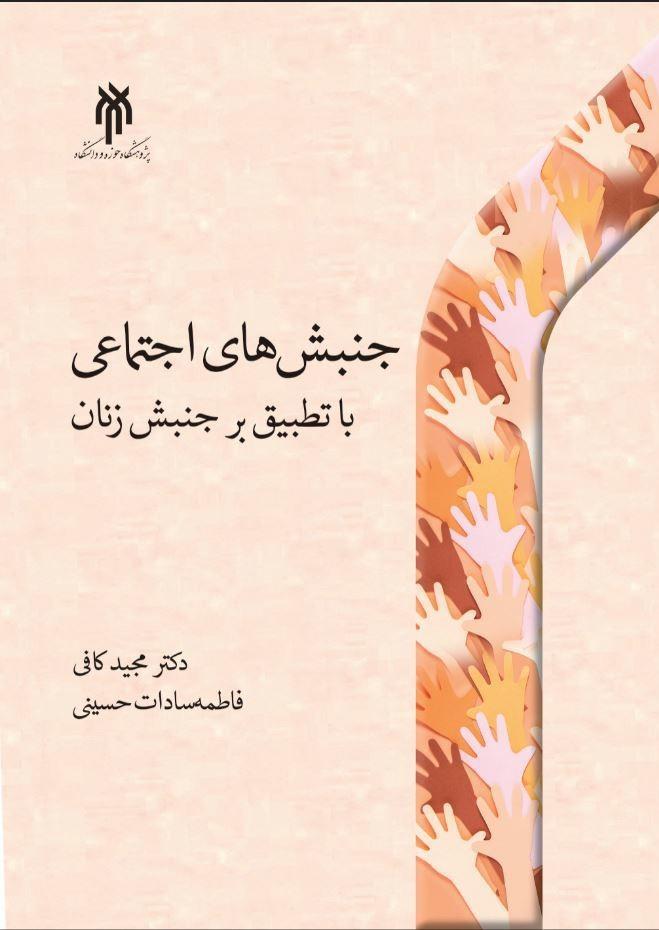
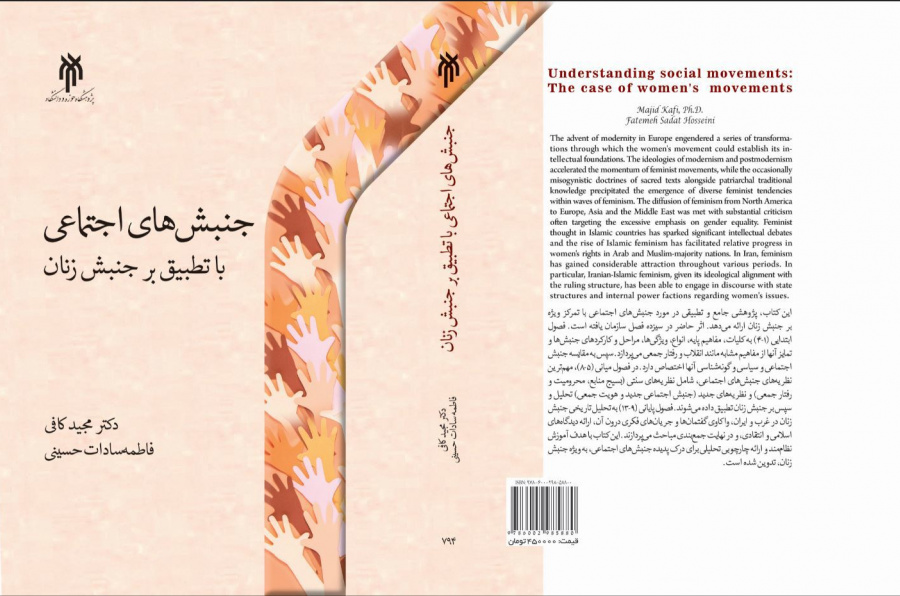
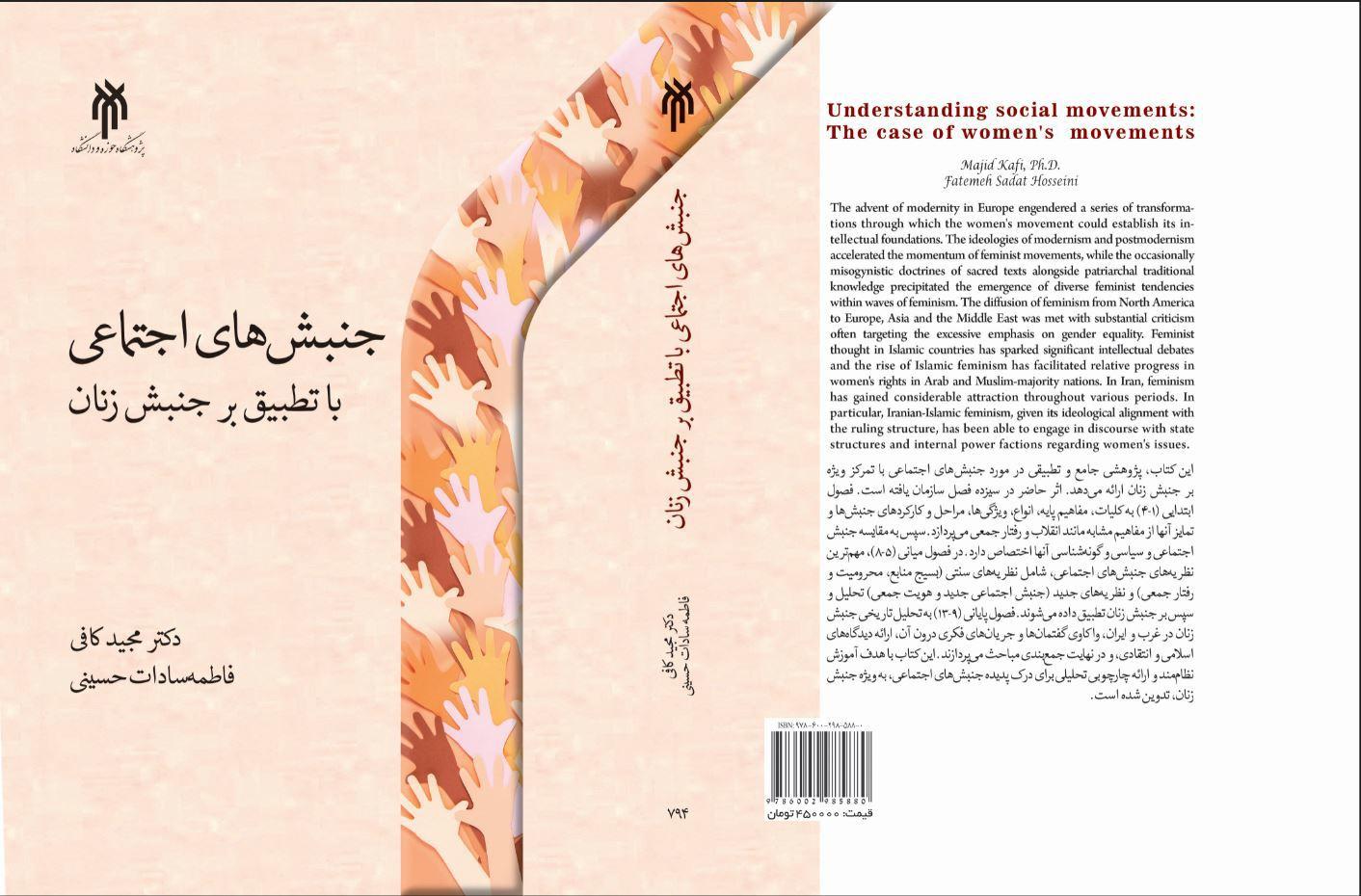
جنبشهای اجتماعی با تطبیق بر جنبش زنان
Understanding social movements: The case of women's movements
این کتاب، پژوهشی جامع و تطبیقی در مورد جنبشهای اجتماعی با تمرکز ویژه بر جنبش زنان ارائه میدهد. اثر حاضر در سیزده فصل سازمان یافته است. فصول ابتدایی (۱-۴) به کلیات، مفاهیم پایه، انواع، ویژگیها، مراحل و کارکردهای جنبشها و تمایز آنها از مفاهیم مشابه مانند انقلاب و رفتار جمعی میپردازد. سپس به مقایسه جنبش اجتماعی و سیاسی و گونهشناسی آنها اختصاص دارد. در فصول میانی (۵-۸)، مهمترین نظریههای جنبشهای اجتماعی، شامل نظریههای سنتی (بسیج منابع، محرومیت و رفتار جمعی) و نظریههای جدید (جنبش اجتماعی جدید و هویت جمعی) تحلیل و سپس بر جنبش زنان تطبیق داده میشوند. فصول پایانی (۹-۱۳) به تحلیل تاریخی جنبش زنان در غرب و ایران، واکاوی گفتمانها و جریانهای فکری درون آن، ارائه دیدگاههای اسلامی و انتقادی، و در نهایت جمعبندی مباحث میپردازند. این کتاب با هدف آموزش نظاممند و ارائه چارچوبی تحلیلی برای درک پدیده جنبشهای اجتماعی، به ویژه جنبش زنان، تدوین شده است.
Understanding social movements:
The case of women's movements
Majid Kafi, Ph.D.
Fatemeh Sadat Hosseini
he advent of modernity in Europe engendered a series of transformations through which the women's movement could establish its intellectual foundations. The ideologies of modernism and postmodernism accelerated the momentum of feminist movements, while the occasionally misogynistic doctrines of sacred texts alongside patriarchal traditional knowledge precipitated the emergence of diverse feminist tendencies within waves of feminism. The diffusion of feminism from North America to Europe, Asia and the Middle East was met with substantial criticism often targeting the excessive emphasis on gender equality. Feminist thought in Islamic countries has sparked significant intellectual debates and the rise of Islamic feminism has facilitated relative progress in women's rights in Arab and Muslim-majority nations. In Iran, feminism has gained considerable attraction throughout various periods. In particular, Iranian-Islamic feminism, given its ideological alignment with the ruling structure, has been able to engage in discourse with state structures and internal power factions regarding
 سروش
سروش