
الگوی برنامهریزی گردشگری در ایران
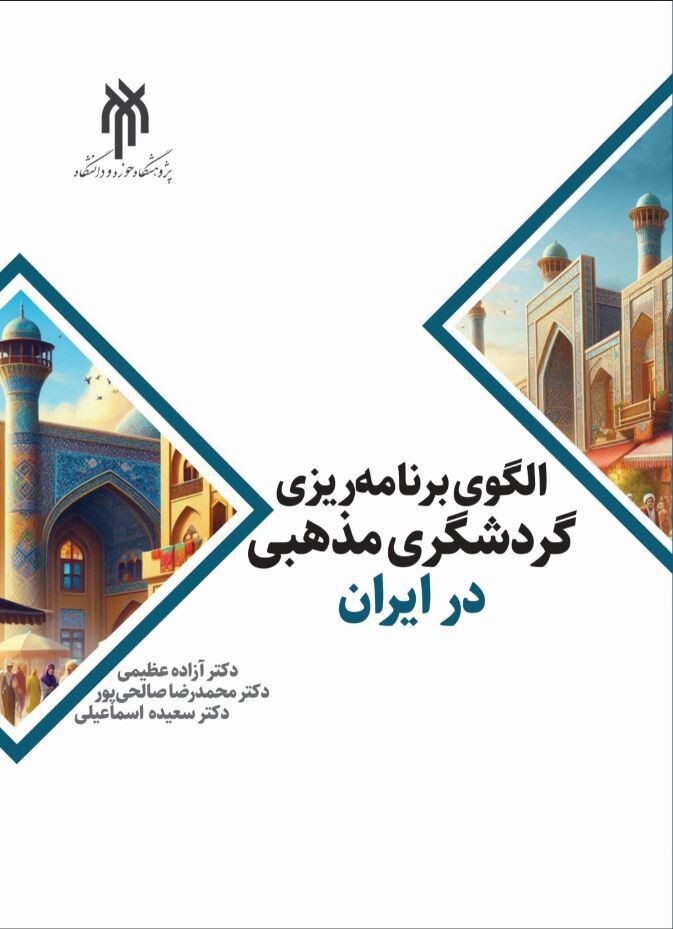
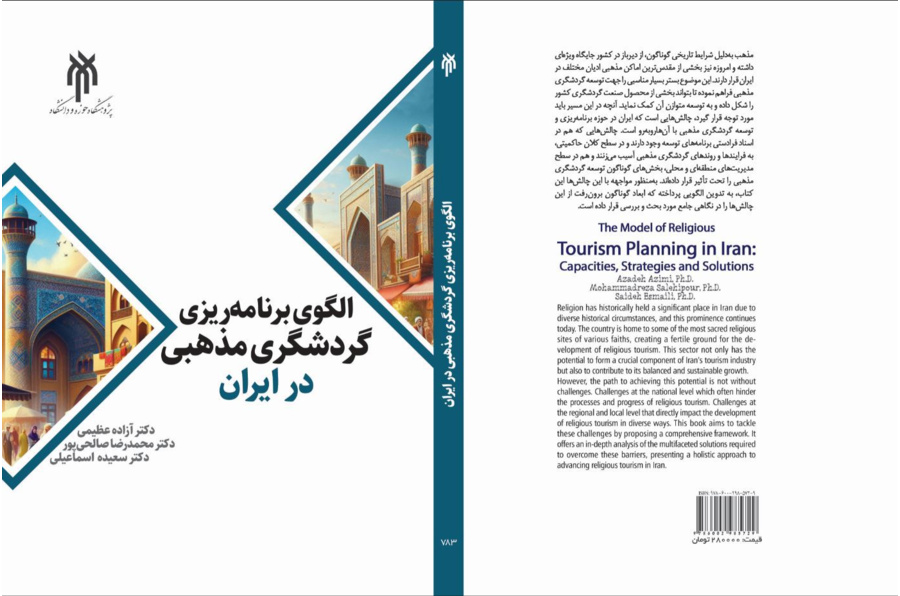
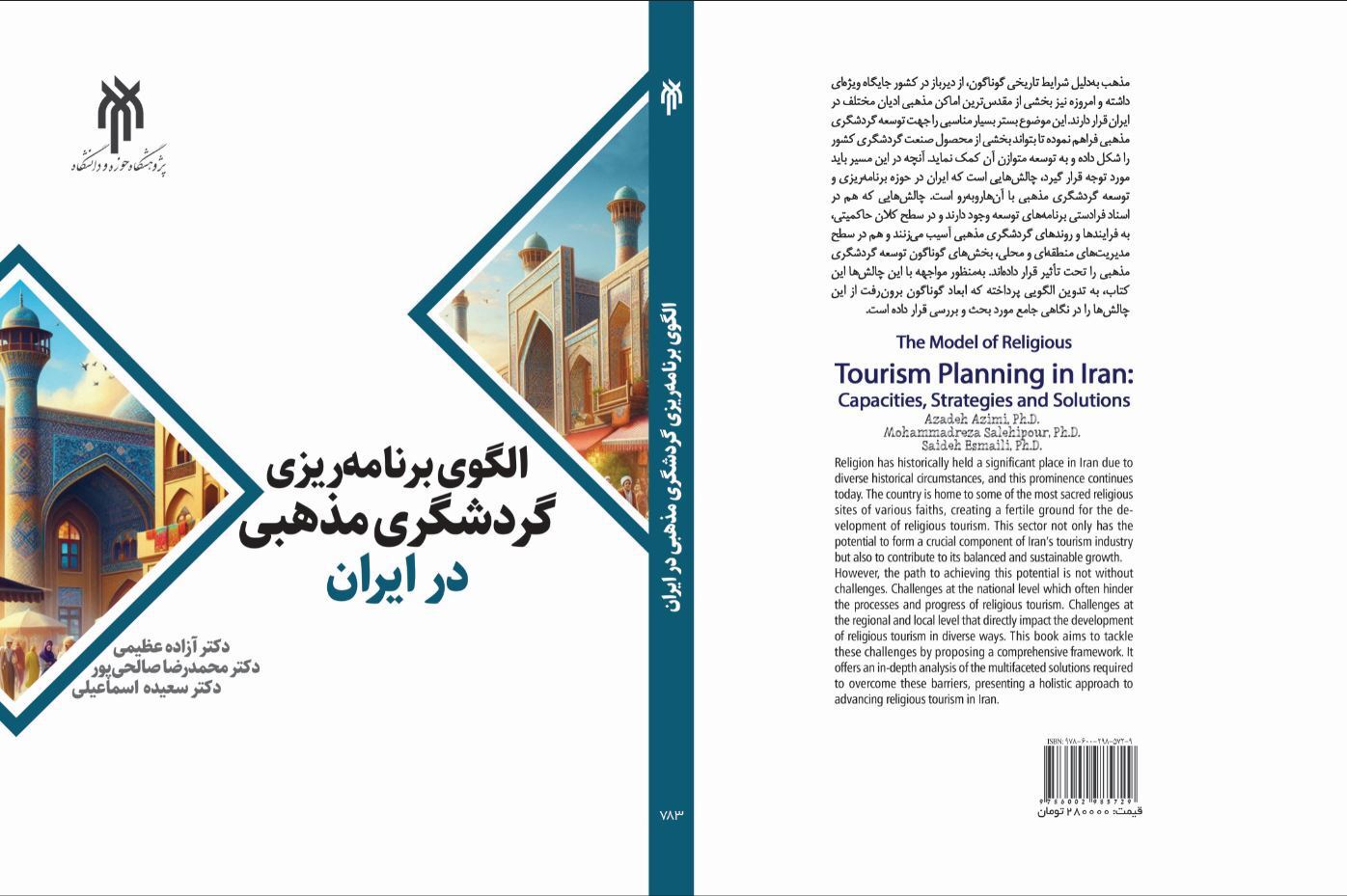
مذهب بهدلیل شرایط تاریخی گوناگون، از دیرباز در کشور جایگاه ویژهای داشته و امروزه نیز بخشی از مقدسترین اماکن مذهبی ادیان مختلف در ایران قرار دارند. این موضوع بستر بسیار مناسبی را جهت توسعه گردشگری مذهبی فراهم نموده تا بتواند بخشی از محصول صنعت گردشگری کشور را شکل داده و به توسعه متوازن آن کمک نماید. آنچه در این مسیر باید مورد توجه قرار گیرد، چالشهایی است که ایران در حوزه برنامهریزی و توسعه گردشگری مذهبی با آنهاروبهرو است. چالشهایی که هم در اسناد فرادستی برنامههای توسعه وجود دارند و در سطح کلان حاکمیتی، به فرایندها و روندهای گردشگری مذهبی آسیب میزنند و هم در سطح مدیریتهای منطقهای و محلی، بخشهای گوناگون توسعه گردشگری مذهبی را تحت تأثیر قرار دادهاند. بهمنظور مواجهه با این چالشها این کتاب، به تدوین الگویی پرداخته که ابعاد گوناگون برونرفت از این چالشها را در نگاهی جامع مورد بحث و بررسی قرار داده است.
Azadeh Azimi, Ph.D.
Mohammadreza Salehipour, Ph.D.
Saideh Esmaili, Ph.D
Hemat Badr Abadi, Ph.D.
Religion has historically held a significant place in Iran due to diverse historical circumstances, and this prominence continues today. The country is home to some of the most sacred religious sites of various faiths, creating a fertile ground for the development of religious tourism. This sector not only has the potential to form a crucial component of Iran’s tourism industry but also to contribute to its balanced and sustainable growth.
However, the path to achieving this potential is not without challenges. Challenges at the national level which often hinder the processes and progress of religious tourism. Challenges at the regional and local level that directly impact the development of religious tourism in diverse ways. This book aims to tackle these challenges by proposing a comprehensive framework. It offers an in-depth analysis of the multifaceted solutions required to overcome these barriers, presenting a holistic approach to advancing religious tourism in Iran.
 سروش
سروش